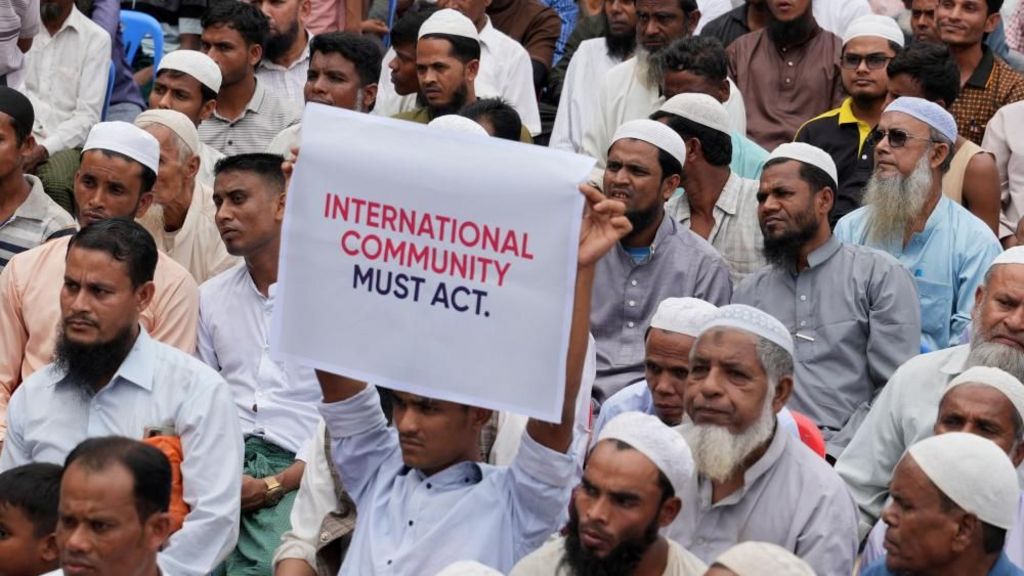
The International Court of Justice (ICJ) has ruled that Myanmar is guilty of committing genocide against its Rohingya minority, marking a historic first for an international court. The verdict stems from a 2017 military crackdown in which thousands of Rohingya were killed and over 700,000 were forced to flee the Buddhist-majority country, formerly known as Burma. The ICJ found that Myanmar had the intention to destroy a substantial part of the Rohingya population and engaged in extensive destruction of evidence to conceal its crimes. The court determined that around 10,000 Rohingya were violently killed during the operation, while more than 815,000 were targeted in some way. Myanmar has consistently denied genocide allegations, stating that its forces had responded to attacks by armed groups. The ICJ also found that Myanmar violated several other parts of the 1948 Genocide Convention and recognized discriminatory policies aimed at eroding Rohingya rights. The court's decision was welcomed by Rohingya communities, human rights groups, and UN officials, who called for real action to be taken in response.
In addition to the genocide findings, the ICJ also looked at the wider treatment of Rohingya leading up to the clearance operation and found that numerous acts of violence, including indiscriminate killings, widespread sexual violence, extreme violence against children, and deliberate burning of Rohingya homes, were committed by Myanmar's military. The court also noted that Myanmar attacked Rohingya as they were fleeing to Bangladesh and engaged in extensive destruction of evidence by burning or disposing of bodies, burning and bulldozing sites that were cleared, and failing to prosecute those who had perpetrated acts of violence.
The ICJ's ruling is significant because it sets a precedent for holding states accountable for genocide, a crime that has only been found to have been committed by individuals in the past. The court recognized the role played by Arakan Rohingya Salvation Army (Arsa) in the violence but found that an anti-Rohingya hate speech campaign contributed to making violence against the population more likely. Myanmar government representatives denied genocide allegations, stating that their operations had targeted militant or insurgent threats in response to Arsa attacks.
The ICJ's decision is a significant step towards justice for the Rohingya community, who have been waiting for decades for recognition of their suffering. The court also recognized Myanmar's obligation to pay proportionate reparations but did not specify an exact figure. The ICJ's ruling will likely have far-reaching implications for international law and the protection of minority groups.