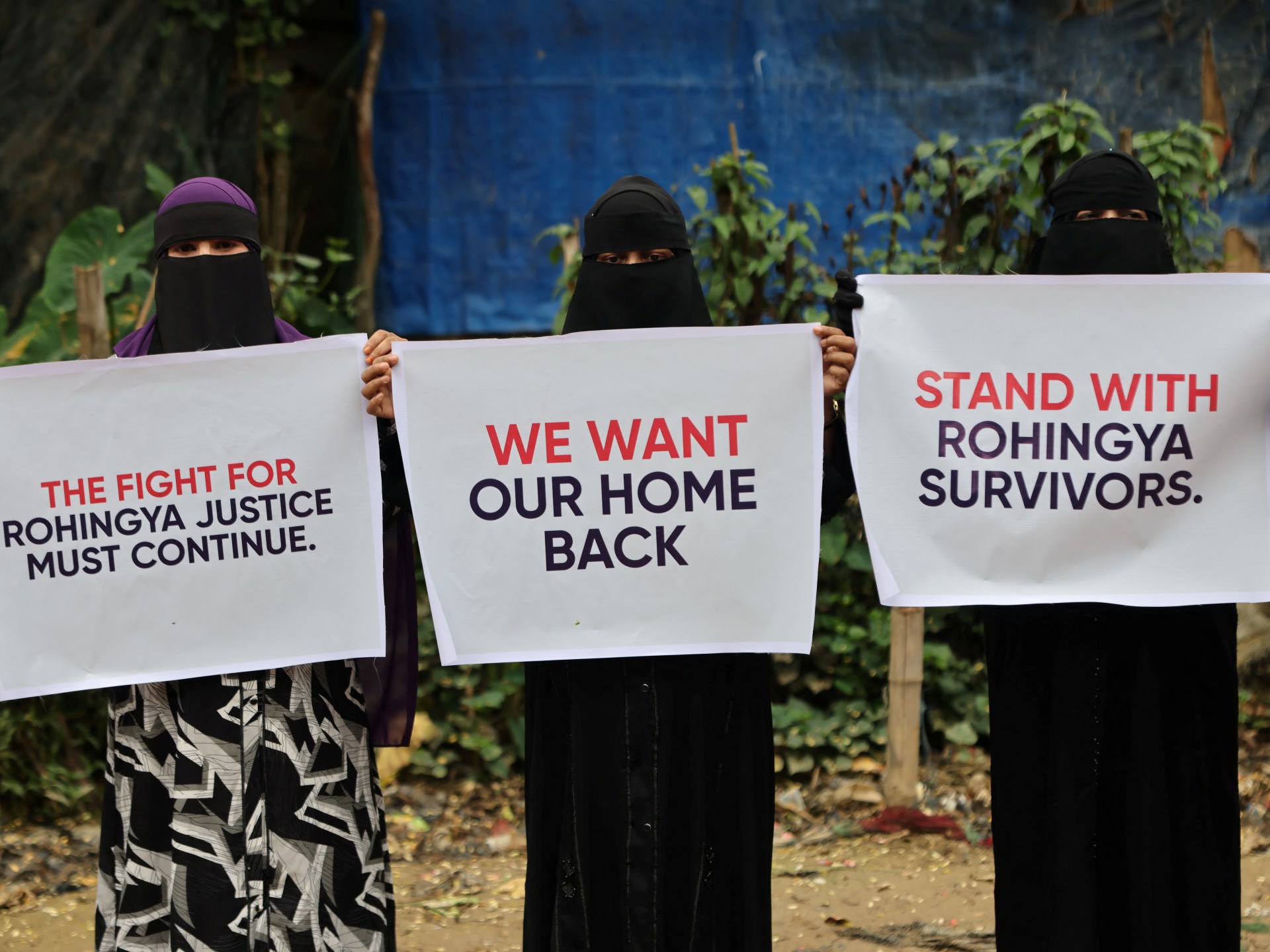
In a groundbreaking ruling, the International Court of Justice (ICJ) has determined that Myanmar has committed genocide against the Rohingya ethnic minority group. After seven years of deliberations and three hours of reading out the verdict, nine judges out of 15 found Myanmar responsible for the crime. This is the first time in history that the World Court, established in 1945, has ruled a state guilty of genocide. The decision, delivered by ICJ judge Yuji Iwasawa from Japan, alleges widespread violence against Rohingya civilians in Myanmar's Rakhine State, including killings, sexual violence, and intentional infliction of serious bodily and mental harm. Persecuted for decades, the mostly Muslim group faced destruction of their villages, which were replaced with permanent structures housing non-Rohingya inhabitants, and acts against children that show the military's intent to prevent birth in the community. The court ordered Myanmar to cease all acts of violence, investigate those responsible, and provide reparations, including restitution measures such as safe return of Rohingya refugees, return or replacement of damaged property, and search for the disappeared. The ICJ cannot enforce its rulings, but this landmark victory for the Rohingya people could lead to action at the United Nations Security Council.
The International Court of Justice (ICJ) has delivered a landmark ruling against Myanmar, finding it guilty of committing genocide against the Rohingya ethnic minority group. In a verdict that took three hours to read out, nine judges out of 15 found Myanmar responsible for this crime, marking the first time in history that the World Court has ruled a state guilty of genocide since its establishment in 1945. The military's offensive in 2017 resulted in the displacement of approximately 750,000 Rohingya from their homes and lands, forcing them into squalid refugee camps in neighboring Bangladesh. The ruling alleges that Myanmar security forces committed acts such as widespread sexual violence, extreme violence against children, and intentional infliction of serious bodily and mental harm upon the Rohingya population. The court also found evidence of high-ranking officials disseminating anti-Rohingya hate speeches portraying them as "subhuman" and a threat. Myanmar is now ordered to cease all acts of violence, investigate those responsible, and provide reparations, including restitution measures for the Rohingya refugees.
The International Court of Justice (ICJ) has ruled that Myanmar is guilty of committing genocide against the Rohingya ethnic minority group. Nine out of 15 judges found Myanmar responsible, making it the first time in history that the World Court has handed down such a ruling since its establishment in 1945. The court delivered this long-awaited verdict on Thursday after seven years of deliberations. Myanmar is accused of widespread sexual violence, extreme violence against children, and intentionally causing serious bodily and mental harm to Rohingya community members. The ruling also states that Myanmar's military destroyed villages and replaced them with permanent structures for non-Rohingya inhabitants. The court ordered immediate and effective steps from Myanmar, including investigating those responsible for the atrocities, prosecuting and punishing the guilty parties, and providing guarantees to prevent future genocide. Additionally, the ICJ demanded that Myanmar institute restitution and reparations in the case, such as allowing Rohingya refugees to return safely and voluntarily, returning or replacing damaged property, searching for the disappeared, ensuring proper burials, and providing physical and psychological rehabilitation for those mentally injured. The court could not determine compensation but ordered Myanmar to submit a report within two years outlining its plan for reparations.